

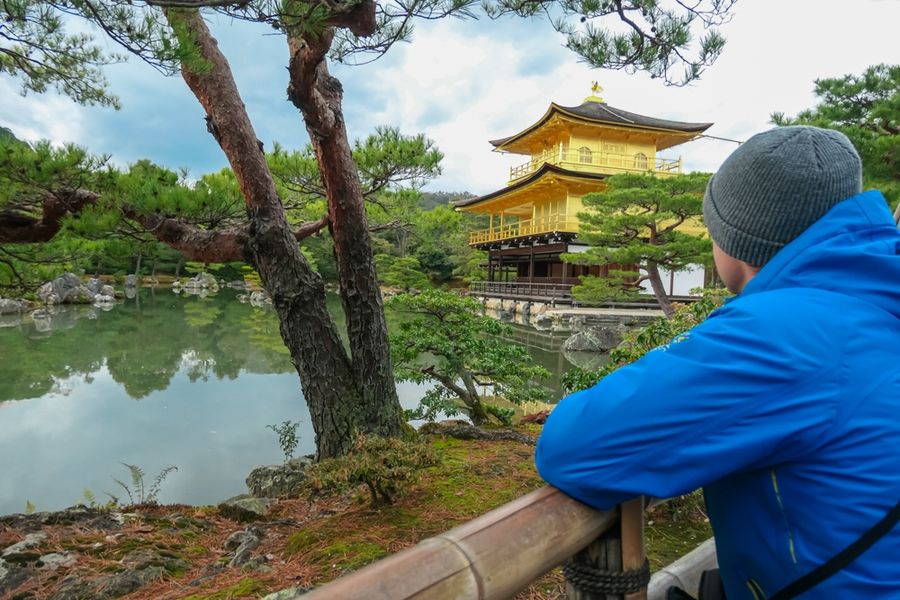
Kyoto’s best-known sights can become intensely busy, particularly around Gion, Kiyomizu-dera, Fushimi Inari, and central Arashiyama. Yet the city extends far beyond those heavily traveled routes. Mountain temples, moss-filled gardens, textile neighborhoods, and residential districts offer a different way to experience Kyoto at a slower pace. By traveling a little farther from the standard sightseeing circuit, visitors can spend more time appreciating architecture, gardens, crafts, and everyday neighborhood life without constantly moving through large crowds.
Head North to Ohara for Temples and Moss Gardens
Ohara sits in the mountains northeast of central Kyoto and feels considerably more rural than the city's central sightseeing districts. The area contains several historic temples surrounded by forested slopes, making it particularly appealing to travelers who want to combine religious sites with gardens and countryside scenery. Ohara is specifically promoted as one of Kyoto's quieter outlying areas, with historic temples and gardens forming much of its appeal.
Sanzen-in is the area's best-known temple and makes a natural starting point. Its grounds include the Shuheki-en and Yusei-en gardens, while moss, cedar trees, ponds, and small stone figures give parts of the temple a distinctly woodland atmosphere. Nearby Hosen-in and Jakko-in make it possible to turn the visit into a half-day or longer excursion rather than traveling to Ohara for a single attraction.
Explore the Mountain Temples of Takao
Northwest of central Kyoto, Takao offers another opportunity to trade busy commercial streets for mountains and temple grounds. The Kiyotaki River runs through the area, and the surrounding slopes are known for Japanese maples and tall Kitayama cedars. Takao contains several ancient temples and has a noticeably different atmosphere from central Kyoto.
Jingo-ji is one of the area's major destinations. Reaching the temple involves climbing a substantial series of stone steps, but the setting rewards the effort with forest views, historic buildings, and a sense of separation from the city below. The temple's history and surviving cultural properties are closely connected with the development of Japanese Buddhism. Nearby Kosan-ji provides another reason to spend time in Takao rather than treating it as a quick stop.
Autumn brings more visitors because Takao is famous for fall color, so travelers seeking the quietest experience may prefer another season or an early start.
Slow Down in Nishijin
Not every quieter Kyoto experience requires leaving the urban core. Nishijin, northwest of the Imperial Palace, offers narrow streets, traditional townhouses, small temples, neighborhood businesses, and a long connection with textile production.
The area developed around Nishijin weaving, a highly specialized textile tradition closely associated with kimono and obi. Visitors interested in that history can explore museums and workshops rather than moving from one major monument to another. The Orinasukan Handmade Fabrics Museum, for example, occupies a former residence and workshop of a Nishijin weaver and preserves features of a traditional weaving house while displaying fabrics and weaving tools.
Nishijin works particularly well for unhurried wandering. Rather than following a strict checklist, leave time to notice machiya facades, small shrines, confectionery shops, and the mixture of old workshops and ordinary residential life. It provides a glimpse of Kyoto as a functioning neighborhood rather than simply a collection of famous landmarks.
Look Beyond Arashiyama's Famous Bamboo Grove
Western Kyoto is often associated almost entirely with Arashiyama's bamboo grove, but the broader western side of the city contains quieter areas worth exploring. Nishikyo, for example, is promoted for lesser-known bamboo landscapes and cycling routes that receive considerably less attention than central Arashiyama.
Travelers can also reduce the intensity of an Arashiyama visit by walking beyond the streets closest to the station and Togetsukyo Bridge. Smaller temples and residential lanes become more noticeable once the main sightseeing corridor is left behind. Early mornings are particularly useful in this part of Kyoto because restaurants and shops may not yet be open, but walking routes and temple approaches can feel far calmer.
The goal does not have to be avoiding famous places completely. Pairing one well-known attraction with a quieter district nearby can create a more balanced day.
Give Yamashina More Attention
Yamashina lies east of central Kyoto, separated from the downtown area by hills. It is often passed through by travelers heading elsewhere, yet it contains historic temples and walking routes that can provide a welcome change from Kyoto's busiest districts.
The area is one of six districts officially highlighted as Kyoto's "Hidden Gems", with temples forming a major part of its appeal. Because Yamashina is not typically at the top of first-time itineraries, it can be a useful choice for repeat visitors or anyone who wants to spend part of a day somewhere less dominated by international sightseeing traffic.
Rather than trying to cover several distant neighborhoods in one day, choose one area and explore it thoroughly. Kyoto's quieter side becomes easier to appreciate when the itinerary itself is not rushed.
Make Timing Part of the Strategy
Even lesser-known locations can become busy during cherry blossom season, autumn foliage, weekends, or special temple openings. Checking current opening information before traveling is important because smaller temples may have limited hours or seasonal access.
Kyoto also provides congestion information for popular sightseeing areas, including forecasts and live-camera information intended to help visitors choose less crowded times and destinations. Using those tools alongside an itinerary built around outlying neighborhoods can make it easier to adjust plans when a particular district becomes unexpectedly busy.
Discover a Different Rhythm of Kyoto
Seeing Kyoto beyond its most famous landmarks does not mean skipping the temples, gardens, and historic streets that make the city distinctive. It means looking for those experiences in places where they can be appreciated at a slower pace.
Ohara offers moss gardens and mountain temples, Takao combines religious sites with forest scenery, Nishijin preserves a strong textile identity, and districts such as Nishikyo and Yamashina broaden the map considerably. Leaving room for these neighborhoods can turn a Kyoto itinerary from a sequence of crowded highlights into a more varied experience of the city itself.